

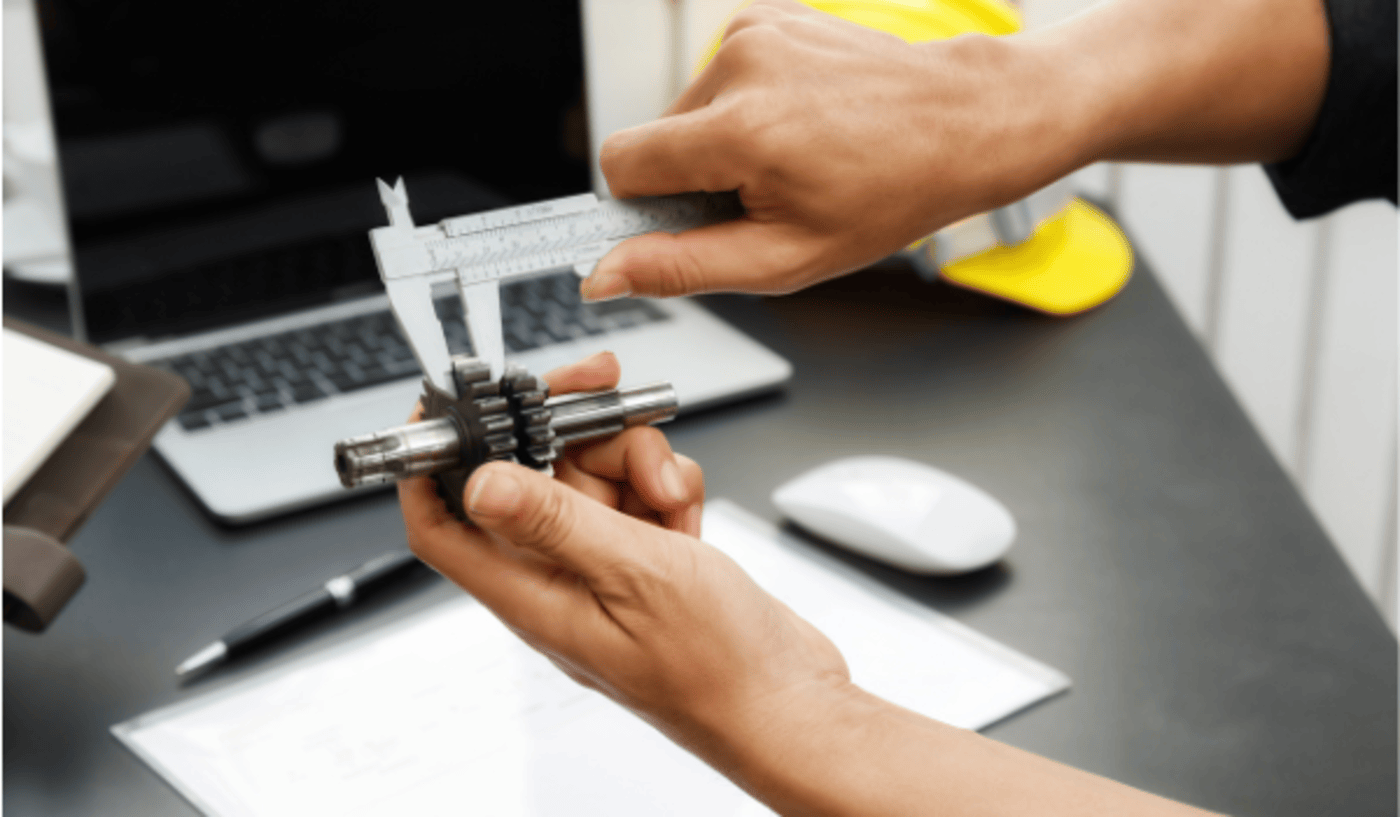
 Calibration
Industrial operations rely on measurements that are taken by instruments across the system. But these instruments do not stay perfectly accurate forever. With time small changes start to appear as parts of the instrument age or conditions affect the device. The display still might show a value but in reality the reading may no longer reflect what is actually happening inside the system.
This is where instrument calibration services become essential.
Calibration ensures that instruments continue to provide accurate measurements. It acts like a periodic health check for measuring devices used in industrial operations. Without calibration, industries would operate on uncertain data, which could lead to safety risks, product quality issues, and costly downtime
What Is Instrument Calibration?
Instrument calibration is a process of checking and adjusting a measuring device so that its readings match known reference values.
In technical terms we can say that calibration establishes a relationship between the value displayed by an instrument and the true value provided by a trusted reference standard. These reference standards are highly accurate measuring devices that have already been verified against international measurement systems.
Calibration usually follows several steps, such as:
- First the instrument that needs verification is identified and prepared for testing.
- Next the instrument reading is compared with a calibrated reference standard.
- The technician records the difference between the measured value and the reference value.
- If the deviation exceeds acceptable limits the instrument is adjusted.
- Finally the instrument is checked again to confirm that the readings are correct.
Another key concept behind calibration is traceability. Every reference standard used during calibration must itself be linked to higher level standards maintained by national or international metrology organizations. This creates an unbroken chain of measurement comparisons that guarantees consistency across laboratories and industries.
Why is Instrument Calibration Important in Industrial Operations?
When measurement systems drift away from accuracy, the consequences can affect productivity, safety and product quality.
The importance of calibration becomes evident when you consider how many industrial decisions depend on instrument readings.
Key reasons why calibration matters so much in industrial operations:
It keeps measurements reliable: Industrial processes depend on accurate control of conditions such as temperature pressure flow and chemical concentration. Calibration helps ensure that instruments continue to reflect the real values inside the system rather than slowly drifting away from them.
Protects product quality: Production environments require consistent conditions. Whether it is a pharmaceutical batch or a food processing line, accurate measurements help maintain the standards needed for safe and reliable products.
Supports safe operations: Many facilities handle high pressure equipment hazardous gases or extreme temperatures. When sensors and monitoring devices are properly calibrated they provide dependable information that helps detect unsafe conditions early.
Helps meet industry regulations: Many sectors require proof that measurement systems are accurate and traceable. Calibration records and certificates help organizations demonstrate compliance during inspections and audits.
Industries That Require Instrument Calibration
Calibration importance plays a role in almost every industrial sector. Some industries depend so heavily on measurement accuracy that calibration becomes a routine operational requirement. They are:
Oil and Gas Industry
Refineries pipelines and drilling platforms rely on continuous monitoring of pressure temperature and flow. Inaccurate measurements can lead to safety hazards or operational inefficiencies.
Manufacturing Sector
Factories use a wide range of measuring devices including torque sensors, weighing systems and dimensional inspection tools. Calibration keeps production quality consistent.
Pharmaceutical Industry
Drug manufacturing requires extremely precise environmental control. Temperature, humidity and chemical concentration must remain within strict limits to maintain product safety.
Power Generation
Power plants rely on temperature sensors, pressure transmitters and flow meters to control boilers, turbines and cooling systems. Accurate data helps maintain safe and efficient power production.
Food and Beverage Industry
Food safety regulations require careful monitoring of heating, cooling and storage conditions. Calibration ensures that temperature sensors used in these processes remain reliable.
Common Instruments That Require Calibration
Industrial facilities use a wide range of measuring instruments. Some require more frequent calibration because they operate in demanding environments.
Here are a few common instruments that require calibration:
Pressure Instruments: Pressure gauges and transmitters monitor pipelines vessels and hydraulic systems. Calibration ensures that pressure readings reflect actual system conditions.
Temperature Sensors: Thermocouples and resistance temperature detectors measure heat levels in industrial processes. Long exposure to high temperatures can cause sensor drift which makes calibration necessary.
Flow Meters: Flow meters measure the movement of liquids and gases in pipelines. Industries such as water treatment, chemical processing and fuel distribution rely heavily on accurate flow measurement.
Gas Analyzers: Gas analyzers monitor the concentration of gases in industrial environments. These instruments help maintain safety and environmental compliance.
Level Sensors: Level probes measure the amount of liquid stored inside tanks or reservoirs. Calibration ensures accurate inventory management and prevents overflow risks.
How Often Should Instruments Be Calibrated?
Instruments that operate continuously in production environments may require more frequent calibration than devices used occasionally. Harsh operating conditions such as vibration humidity or extreme temperatures can also accelerate measurement drift.
Some industries follow strict regulatory schedules. Pharmaceutical laboratories for example may calibrate critical instruments every six months or even more frequently.
Other organizations establish their calibration intervals based on risk assessments. Instruments that influence safety or product quality receive priority in calibration programs.
A typical calibration schedule may include annual verification for standard instruments while critical sensors undergo calibration several times each year.
Conclusion
Industries depend on accurate measurements to operate safely and efficiently. Every sensor transmitter and measuring device plays a role in controlling processes and maintaining product quality. Instrument calibration ensures that these devices continue to deliver reliable data. Calibration also supports regulatory compliance, improves product consistency and strengthens confidence in measurement systems.
In many ways calibration forms the backbone of modern metrology and industrial quality systems. Without it industries would operate with uncertain data and unpredictable results.
FAQs
What is the main purpose of instrument calibration?
The main purpose of calibration is to verify that measuring instruments provide accurate readings. The process compares instrument measurements against known reference standards.
What happens if instruments are not calibrated?
Uncalibrated instruments may produce incorrect readings. This can lead to process errors, product quality issues, and potential safety risks.
Who performs instrument calibration?
Calibration is usually performed by trained technicians working in certified calibration laboratories or by specialized industrial calibration service providers.
Can instruments lose accuracy over time?
Yes. Sensors, electronic components, and mechanical parts can drift due to aging, environmental conditions, and continuous usage.
Is calibration required for regulatory compliance?
In many industries such as pharmaceuticals, food production, and energy, regulatory bodies require documented calibration records to ensure measurement accuracy and product safety.
What is a calibration certificate?
A calibration certificate is an official document that records the results of a calibration test. It confirms that a measuring instrument was checked against reference standards and met required accuracy limits.